Adab and Ethics of Distributing Inheritance in Islam so the Family Remains Harmonious
Distributing inheritance is not merely a calculation, but also a matter of adab and ethics. This article discusses the correct attitude in Islam when distributing inheritance, from intention, deliberation, to maintaining family relationships. Equipped with practical steps and examples.

Inheritance in Islam is not merely a matter of numbers and the division of property. Behind the detailed rules, there are adab and ethics that must be upheld so that the distribution of inheritance becomes a blessing, not a source of division. Allah Subhanahu wa Ta'ala has established fair portions through His words in Surah An-Nisa verses 11, 12, and 176, which are then elaborated in the Kompilasi Hukum Islam (KHI) Book II Articles 171–214. However, obedience to the rules alone is not enough without a good attitude.
Why Are Adab and Ethics Important in the Distribution of Inheritance?
The distribution of inheritance often involves emotions, memories, and family relationships. If done without adab, it can trigger disputes that damage silaturahmi. Islam teaches that property is a trust, and inheritance is a right that must be given to those entitled to it. Adab ensures the process runs with compassion, while ethics maintains honesty and justice. The Messenger of Allah shallallahu 'alaihi wa sallam emphasized the importance of fulfilling rights in the best manner, including in matters of inheritance.
Allah says:
'Indeed, Allah commands you to render trusts to whom they are due...' (QS. An-Nisa: 58)
This verse is the basis that distributing inheritance is a trust that must be fulfilled properly.
Adab Before Distributing Inheritance
There are several adab that should be observed before the inheritance is distributed:
- Sincerity and intention for the sake of Allah. The distribution of inheritance is worship. Intend to carry out Allah's command, not to seek personal gain.
- Deliberation with the heirs. Invite all heirs to sit together, discuss the distribution process with a cool head. Deliberation is not to change the portions, but to agree on the technical implementation.
- Ensuring debts and wasiyyah are paid first. Before the property is distributed, settle the deceased's debts and wasiyyah (maximum one-third) if any. This is an obligation that must be prioritized.
- Not delaying the distribution. Delaying the distribution without a syar'i reason can harm the heirs and trigger conflict. Distribute immediately after the matters of debt and wasiyyah are completed.
- Avoiding greed. Remember that the portion established by Allah is the best. Do not be tempted to take the rights of others.
Ethics During the Distribution of Inheritance
During the distribution process, the following ethics need to be maintained:
- Transparency. Convey all data on assets, debts, and wasiyyah openly. Nothing should be hidden.
- Fair and not cheating. Calculate the portions according to faraid. If anyone objects, explain with wisdom and refer to the dalil.
- Respecting the elders and loving the young. Although the portions have been determined, an attitude of respect and affection is still maintained.
- Involving a neutral party. If a dispute occurs, involve religious figures, a notary, or the Pengadilan Agama for mediation. Do not use violence or threats.
Remember that the main goal is to fulfill rights, not to win an argument.
Maintaining Family Relationships After the Distribution
After the property is distributed, do not let family relationships become distant. Some things that can be done:
- Silaturahmi remains maintained. Visiting each other and communicating as usual.
- Forgiving. If there was a misunderstanding during the process, forgive it. Do not hold a grudge.
- Sharing voluntarily. If someone wishes to give part of their property to a sibling in need, that is a recommended good deed, as long as it is done after a lawful distribution and without coercion.
- Prayer for the deceased. Send prayers for parents or relatives who have passed away, for that is the best gift.
Practical Steps and a Simple Example
To make it easier, here is a checklist that can be followed:
- Heir data: record all heirs who are still alive.
- Asset list: inventory all assets, including shares, businesses, and digital assets.
- Debts and wasiyyah: ensure they have been paid.
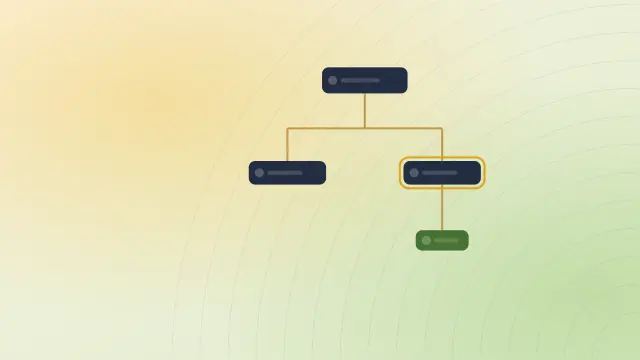
- Calculate portions: use the faraid formula or the help of an application such as IndoWaris to draw the family tree and calculate automatically.
- Deliberation: agree on the technical distribution.
- Execution: distribute the property according to the agreement, whether by notarial deed or under the supervision of the Pengadilan Agama.
- Prayer and gratitude: close with prayer and give thanks for the blessing.
Example: Mr. Ahmad passed away leaving a wife, two sons, and one daughter. After debts and wasiyyah were paid, the inheritance amounted to Rp 600 million. The wife receives 1/8 because there are children, namely Rp 75 million. The remainder of Rp 525 million is divided among the children in a 2:1 ratio. Thus each son receives Rp 210 million, and the daughter receives Rp 105 million. Total: 75 + 210 + 210 + 105 = 600 million. No one is harmed. This is the justice of Islam.
After the distribution, Mr. Ahmad's family remains harmonious because everyone accepts with an open heart.
Closing: Good Intention and Deliberation
Distributing inheritance with adab and ethics is a reflection of faith. If you face a complicated situation, do not hesitate to consult the Pengadilan Agama, a notary/PPAT, or a trustworthy ustadz. Every family has unique conditions, and professional advice is very helpful.
May Allah ease our inheritance affairs and make them a path to strengthen silaturahmi. Aamiin.
Calculate your own family's inheritance
Build the family tree, see each heir's share under the KHI, then download the chart and PPTX — free.