
Inheritance Articles
Easy reads on Islamic inheritance law, family trees and settling an estate — published daily, written with AI assistance.
 Inheritance of Wife, Mother, and Two Sons: A Clear Calculation Example
When the deceased leaves a wife, mother, and two sons, their shares can be calculated using fixed shares (furudh) and residuary inheritance (ashabah). See the steps and example.
Read morearrow_forward
 Example of Inheritance Calculation: Deceased Husband, Wife, Son, and Daughter
A simple example of inheritance distribution when a husband passes away leaving a wife, one son, and one daughter. The wife's share is 1/8, and the remainder is divided 2:1 for the children.
Read morearrow_forward
 Inheritance When a Child Dies First: The Shares of Parents, Spouse, and Siblings
Many families forget that parents are also heirs of their child. Here are the shares of the spouse, father, mother, and children when a child passes away, complete with two calculation examples whose amounts come out exact.
Read morearrow_forward
 Share of Sons and Daughters 2:1: Basis, Wisdom, and Calculation Examples
Why does a son receive two shares of a daughter? Review the Qur'anic basis and KHI, its wisdom, and correct calculation examples.
Read morearrow_forward
 Maximum One-Third Wasiat and Wasiat Wajibah for Adopted Children
An adopted child is not an heir under KHI, but may receive wasiat wajibah. Understand the one-third limit, the conditions of wasiat, and a calculation example so that the division remains fair and valid.
Read morearrow_forward
 Legal Basis of Islamic Inheritance in Indonesia: An-Nisa 11, 12, 176 and KHI
The Qur'an and the Compilation of Islamic Law are the two main foundations for distributing inheritance in Indonesia. Understand the role of each, their limits, and examples of their application.
Read morearrow_forward
 Common Mistakes When Calculating Inheritance Yourself and How to Check Them
Seven mistakes that most often occur when a family calculates inheritance themselves, an example calculation showing the difference, and a checklist so that your figures are not wrong.
Read morearrow_forward
 Ashabah, Furudh, 'Aul, and Radd: Inheritance Terms That Are Often Confusing
These four terms appear in almost every discussion of Islamic inheritance. This article explains them in everyday language, complete with easy-to-follow calculation examples.
Read morearrow_forward
 Inheritance When the Husband Has More Than One Wife: Shares and Calculation Examples
In Islamic inheritance, the wives' share is 1/4 when there are no children and 1/8 when there are children, then divided jointly among them. See the legal basis, complete calculation examples, and frequently asked questions.
Read morearrow_forward
 Example of Inheritance Calculation with 'Aul: When the Total Shares Exceed the Estate
Sometimes the shares of the heirs, when added together, exceed one whole estate. Faraid recognizes 'aul: the denominator is raised so that all shares decrease proportionally. Here is a calculation example.
Read morearrow_forward
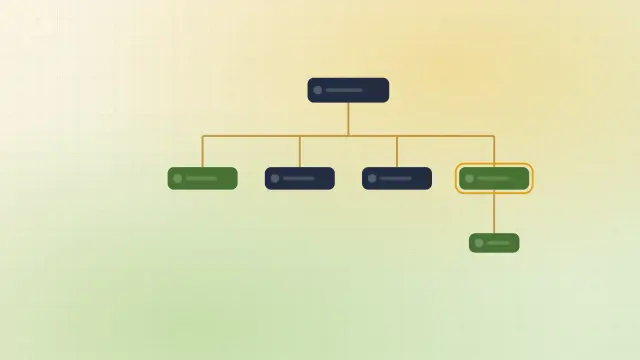 Substitute Heirs Under Article 185 of the KHI: Grandchildren Whose Parents Died First
Grandchildren whose parents died first can become substitute heirs under Article 185 of the KHI. Understand the requirements, limits, and calculation examples.
Read morearrow_forward
 Bequest to an Heir: When It Is Valid and When It Is Void According to KHI
A bequest to a child or wife who is also an heir does not automatically take effect. According to KHI, such a bequest is valid only if all other heirs consent to it. See the one-third limit, the conditions, and a calculation example.
Read morearrow_forward
rss_feed RSS feed