Inheritance for Grandchildren and Grandparents: Limits and Exceptions
Grandchildren and grandparents are often assumed to always inherit. Under the KHI, both have limits: grandchildren through substitute heirs (ahli waris pengganti), grandparents depending on closer heirs.
In many families, grandchildren and grandparents are assumed to automatically receive a share of the inheritance. In reality, Islamic inheritance law in Indonesia sets limits for both that need to be understood. A grandchild can become a substitute heir (ahli waris pengganti) if their parent died first, while grandparents are listed in the KHI but only appear in certain circumstances. This article discusses the limits and exceptions simply.
Grandchildren as heirs: two different paths
The position of a grandchild depends greatly on whether the deceased's child is still alive. If the deceased's child is still alive, the grandchild does not inherit because they are excluded by their own parent. They can still receive a gift (hibah) or will (wasiat) from their grandparents, but not as heirs. Conversely, if the deceased's child died first, the grandchild can become a substitute heir (ahli waris pengganti) as provided in Article 185 of the Compilation of Islamic Law (KHI).
A substitute heir does not add to the number of heirs. They replace the position of the parent who has died. The share that the parent should have received is given to their children, then divided at a ratio of two to one between males and females. So, if the deceased parent left one son and one daughter, the substitute share is divided 2:1. This provision applies to grandchildren through sons as well as through daughters, in accordance with the KHI.
It should be noted that Article 185 of the KHI also contains a limit on substitution in paragraph (2). This limit is not yet modeled in the current IndoWaris engine, so cases with many heirs should be checked with an expert.
Worked example of substitute grandchildren
Mr. Hasan has died. His wife died earlier. He leaves his mother, Mrs. Siti, and two grandchildren from his son Budi, who died earlier: Rizky (male) and Nadia (female). Because there are descendants who inherit, Mrs. Siti receives 1/6. The remaining 5/6 becomes the share of the substitute heirs, divided 2:1.
| Heir | Share | Estate Rp 180 million |
|---|---|---|
| Mrs. Siti | 1/6 = 3/18 | Rp 30 million |
| Rizky (grandson) | 2/3 x 5/6 = 10/18 | Rp 100 million |
| Nadia (granddaughter) | 1/3 x 5/6 = 5/18 | Rp 50 million |
| Total | 18/18 | Rp 180 million |
This calculation shows that substitute grandchildren do not automatically receive the same share as children. They receive their parent's share, then divide it according to the 2:1 provision.
Grandparents: listed in the KHI, but conditional
Article 174 of the KHI lists grandparents as heirs by blood relationship. However, Article 174 paragraph (2) states that if all heirs are present, only the children, father, mother, widow, or widower are entitled to receive the inheritance. This means that grandparents do not automatically receive a share when there are closer heirs.
In practice, grandparents appear more often when the deceased leaves no children or parents. Their position can also be excluded by other closer heirs, for example the father in the case of a paternal grandfather. Because the details depend on the family structure and there are differences in interpretation, cases involving grandparents should not be calculated on your own.
The current IndoWaris engine does not yet model grandparents and distant relatives. This tool still helps map the family tree and calculate the shares of heirs that are already modeled, but for cases involving grandparents, seek a determination from the Religious Court (Pengadilan Agama) or consult an ustadz who understands faraid.
Limits to keep in mind
- Grandchildren are not heirs as long as their parents are still alive; they are excluded by their own parents.
- A substitute heir replaces one parent's position, not adds a new heir.
- The share of substitute grandchildren is divided 2:1 between males and females.
- Grandparents do not automatically inherit when there are children, a father, a mother, or a spouse.
- Cases involving grandparents, distant relatives, or many heirs need to be checked by an expert.
Practical steps for families
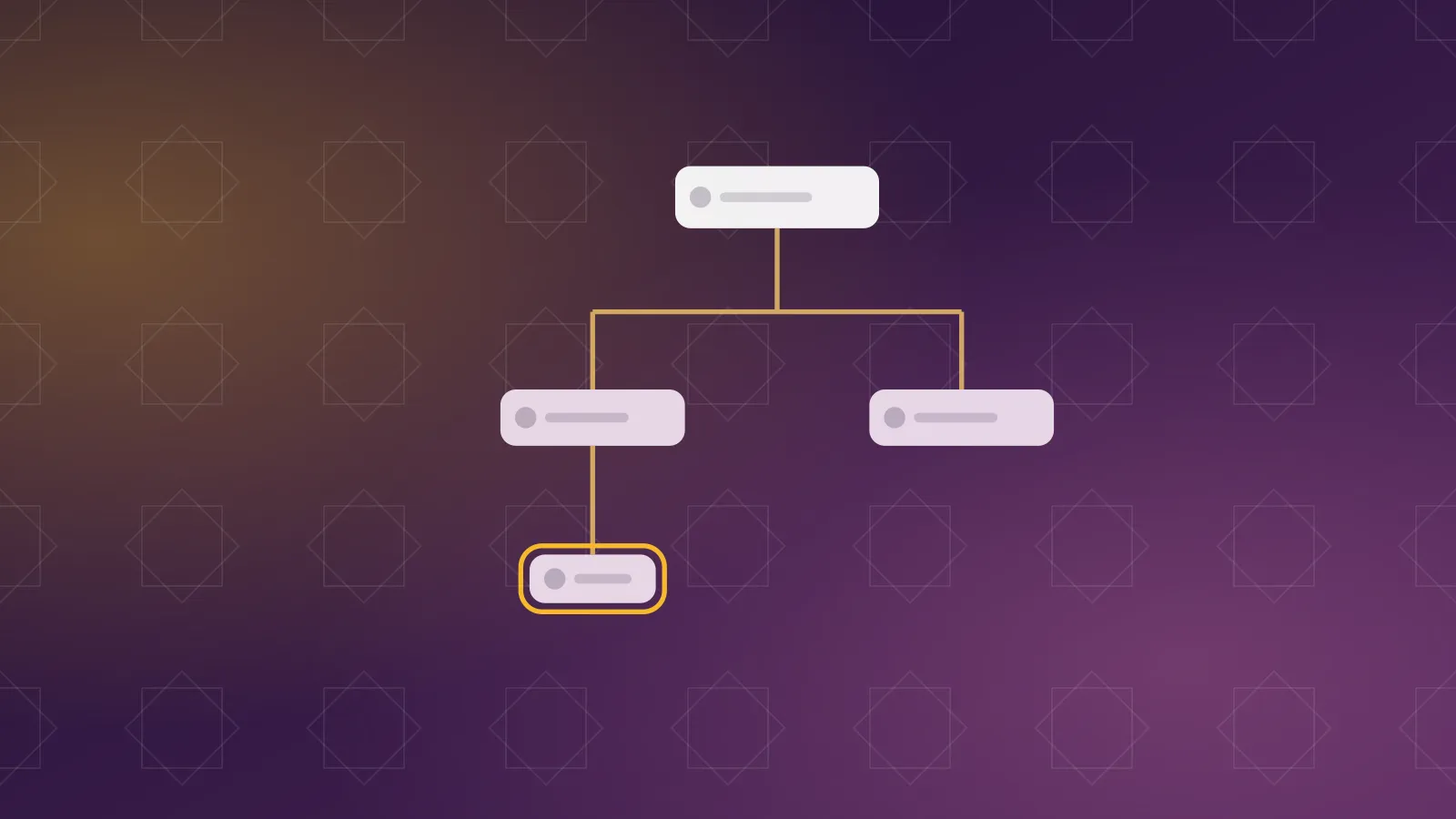
First, set out the family tree clearly: who the children are, who the grandchildren are, and who died first. Second, separate the inheritance from joint property and debts. Third, determine which heirs are still alive and which are excluded. Fourth, calculate the shares with a tool or ask an expert for help. IndoWaris can draw the family tree and calculate the shares of the heirs that are modeled, so the family has a transparent preliminary picture.
Fifth, for cases involving substitute grandchildren, grandparents, or the limit in Article 185 paragraph (2), consult the Religious Court, a notary/PPAT, or an ustadz. Sixth, prioritize family deliberation. A clear division and tidy documents will reduce the potential for conflict later on.
This article is general information, not a fatwa or legal advice. Every family has different circumstances, so the final decision should be taken after consulting the competent parties.
Calculate your own family's inheritance
Build the family tree, see each heir's share under the KHI, then download the chart and PPTX — free.