
Inheritance Articles
Easy reads on Islamic inheritance law, family trees and settling an estate — published daily, written with AI assistance.
 Common Mistakes When Calculating Inheritance Yourself and How to Check Them
Seven mistakes that most often occur when a family calculates inheritance themselves, an example calculation showing the difference, and a checklist so that your figures are not wrong.
Read morearrow_forward
 Hibah to One Child Before Death: Is It Counted in the Inheritance?
A parent's hibah to one child often becomes a source of dispute when the inheritance is divided. Understand the difference between hibah and inheritance, the text of KHI Articles 210–211, and a calculation example.
Read morearrow_forward
 Inherited House That Cannot Be Physically Divided: Sell, Rent, or Buy Out?
An inherited house that cannot be physically divided does not always have to be sold quickly. Consider the sell, rent, or buy-out options, see a sample share calculation, and the matters the family needs to agree on.
Read morearrow_forward
 Uncertified Inherited Land: Safe Steps for Heirs
Uncertified inherited land often leaves families hesitant to divide it. This guide explains documents, deliberation steps, examples of division, and when a notary, PPAT, or Religious Court is needed.
Read morearrow_forward
 Islamic, Customary, and Civil Inheritance: What Is the Difference for a Muslim Family?
Understanding the basic differences between Islamic inheritance (faraid/KHI), customary inheritance, and civil inheritance in Indonesia, so that a family does not choose the wrong basis for distribution.
Read morearrow_forward
 Ashabah, Furudh, 'Aul, and Radd: Inheritance Terms That Are Often Confusing
These four terms appear in almost every discussion of Islamic inheritance. This article explains them in everyday language, complete with easy-to-follow calculation examples.
Read morearrow_forward
 Withdrawing the Deceased's Savings and Deposits: Documents and Steps
The deceased's bank account does not automatically belong to anyone. Know the documents the bank requires, the order of debts and wills, and how to distribute the funds according to each heir's share.
Read morearrow_forward
 When Do Full Siblings Inherit and When Are They Blocked (Hijab)
Full siblings are not primary heirs, but they can appear when the deceased has no child or father. Understand when they receive a share and when they are blocked, complete with calculation examples.
Read morearrow_forward
 Debts, Funeral Costs, and Wills: The Order Before Inheritance Is Distributed
Inheritance is not simply divided equally among the heirs. Funeral costs, the deceased's debts, and wills must be settled first. Here is the order according to An-Nisa and KHI, complete with a calculation example.
Read morearrow_forward
 Inheritance When the Husband Has More Than One Wife: Shares and Calculation Examples
In Islamic inheritance, the wives' share is 1/4 when there are no children and 1/8 when there are children, then divided jointly among them. See the legal basis, complete calculation examples, and frequently asked questions.
Read morearrow_forward
 Building a Tidy Family Tree as the Basis for Inheritance Distribution
A tidy family tree helps ensure who the heirs are, who died earlier, and which branches need to be marked before the inheritance is calculated and divided.
Read morearrow_forward
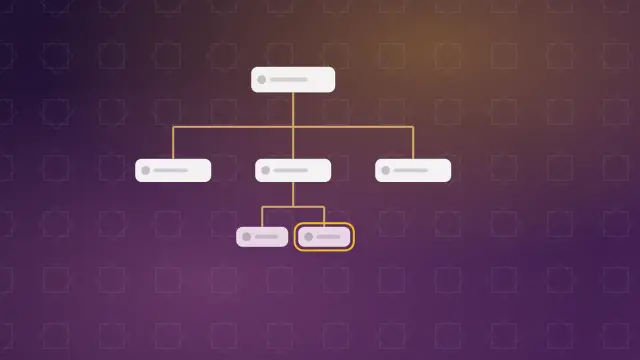 Delaying the Distribution of Inheritance: Risks and Consequences for the Next Generation
Delaying the distribution of inheritance often feels safe, but it can lead to commingled assets, disputes, and complications if an heir dies. Understand the risks and practical steps.
Read morearrow_forward
rss_feed RSS feed